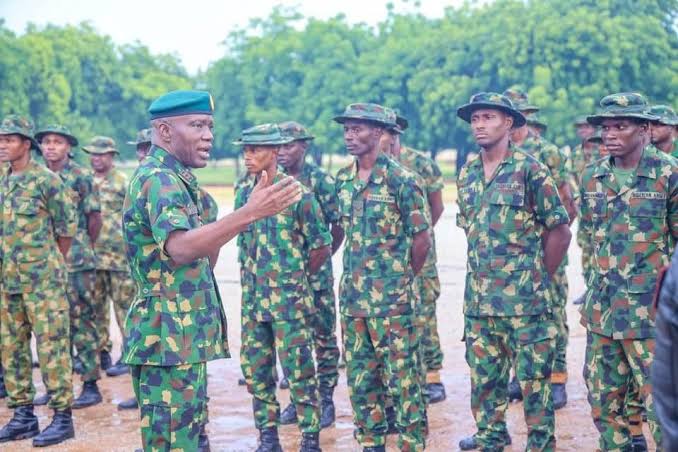
The recent news coming out of Nigeria has left many people shocked and worried. The militant group ISWAP (Islamic State West Africa Province) claims it captured and killed Brigadier-General M. Uba, a senior officer in the Nigerian Army. If true, this is a serious and dangerous event that has consequences for both the military and the people living in areas affected by the insurgency.
But what really happened? And what does this mean for Nigeria? Let’s take a closer look.
The Ambush
The story began around November 15, 2025, when a Nigerian Army convoy was attacked near Wajiroko in Borno State. This part of Nigeria has been a hotspot for insurgent activities for many years. Soldiers and local vigilantes were part of the convoy, and they were caught off guard by the sudden attack.
Among the soldiers was Brigadier-General Uba, who is in charge of the 25 Task Force Brigade. This is a very important position because he leads military operations in a region that has been troubled by insurgent groups like ISWAP.
What Happened to the General?
After the ambush, reports say the general was injured, possibly in the leg, but he was alive for a short time. He reportedly sent messages via WhatsApp saying he was okay and gave his location. This shows he tried to alert his colleagues and perhaps hoped for a rescue.
However, ISWAP claims that they captured him after the ambush. According to their statement, they interrogated him and later executed him. They even shared photos and videos that they say show the general in their custody and later killed. These images are part of ISWAP’s propaganda they want to show their strength and intimidate the military and the public.
The Army’s Response
At first, the Nigerian Army denied that Brigadier-General Uba had been captured or killed. They said he fought off the attackers and returned safely to his base. But as more reports surfaced and ISWAP continued to release media, it became clear that the situation was more serious than initially stated.
Some sources now suggest that the Army has confirmed his death, although this has not been officially verified by neutral parties. This mix of statements first denial, later possible confirmation has caused confusion and raised questions about how the military handles information during crises.
Why This Is Serious
The death of a brigadier general is not just a loss of one officer. It has symbolic and practical consequences:
1. Military morale: Losing a high-ranking officer can affect the confidence of other soldiers. They may feel more vulnerable or question their leadership.
2. Operational risk: If ISWAP can capture and kill someone as important as a brigadier general, it shows they are capable of planning and executing sophisticated attacks. This is dangerous for future military operations.
3. Public trust: Civilians in the area may feel even less safe. They look to the military for protection, and incidents like this can make people feel abandoned or at risk.
4. Propaganda victory for ISWAP: By releasing videos and photos, ISWAP wants to show power and attract new recruits. They also want to demoralize the army and spread fear among civilians.
What Went Wrong?
There are still many questions about how the general was captured and killed.
Here are a few things to consider.
Communications: Brigadier-General Uba sent messages via WhatsApp, which may have been intercepted by ISWAP. This raises questions about how secure military communications are.
Escape and Recapture: Reports suggest that he may have tried to escape after the ambush but was recaptured. How the militants tracked him remains unclear.
Leaks and Intelligence: Could there have been local informants or leaks that helped ISWAP? If so, this is a serious concern for the military.
Mixed Messages: The Army’s initial denial and later possible confirmation show that there may be confusion or poor communication within the military.
Questions to Ask
This situation raises important questions for the military, the government, and the public:
1. How did ISWAP manage to capture and kill a senior officer? Was it because of poor planning, weak security, or insider information?
2. Are military communication methods secure enough to prevent such incidents in the future?
3. What measures will the Nigerian Army take to protect its commanders and soldiers?
4. How will the government provide accurate information to the public and counter ISWAP’s propaganda?
5. What lessons can be learned to prevent similar incidents in other conflict areas?
The Bigger Picture
This incident is part of a larger and ongoing struggle in northeastern Nigeria. ISWAP has been very active in the region, often attacking towns, villages, and military targets. This latest event shows that they are still dangerous and capable of sophisticated operations.
For the Nigerian Army, it highlights vulnerabilities in both security and communication. For civilians, it is a reminder that the conflict is far from over. And for ISWAP, it is a propaganda success they can claim to defeat even the highest-ranking officers.
Conclusion
The killing of Brigadier-General Uba, if true, is a significant loss for Nigeria. It shows the continuing threat posed by ISWAP and the challenges faced by the Nigerian Army in fighting insurgency. It also raises serious questions about military operations, security measures, and how information is communicated during crises.
While some details remain uncertain, the incident serves as a wake-up call. The Nigerian Army must improve its security, protect its leaders, and maintain the confidence of its troops and the public. Meanwhile, civilians must stay alert, and the government must be transparent about the situation to prevent misinformation and panic.
This tragic event reminds everyone that the fight against insurgency is ongoing, complex, and dangerous. The loss of any life, especially that of a senior officer, should inspire reflection, caution, and action to prevent future tragedies.


1 comment
This is mind blowing. God help us all