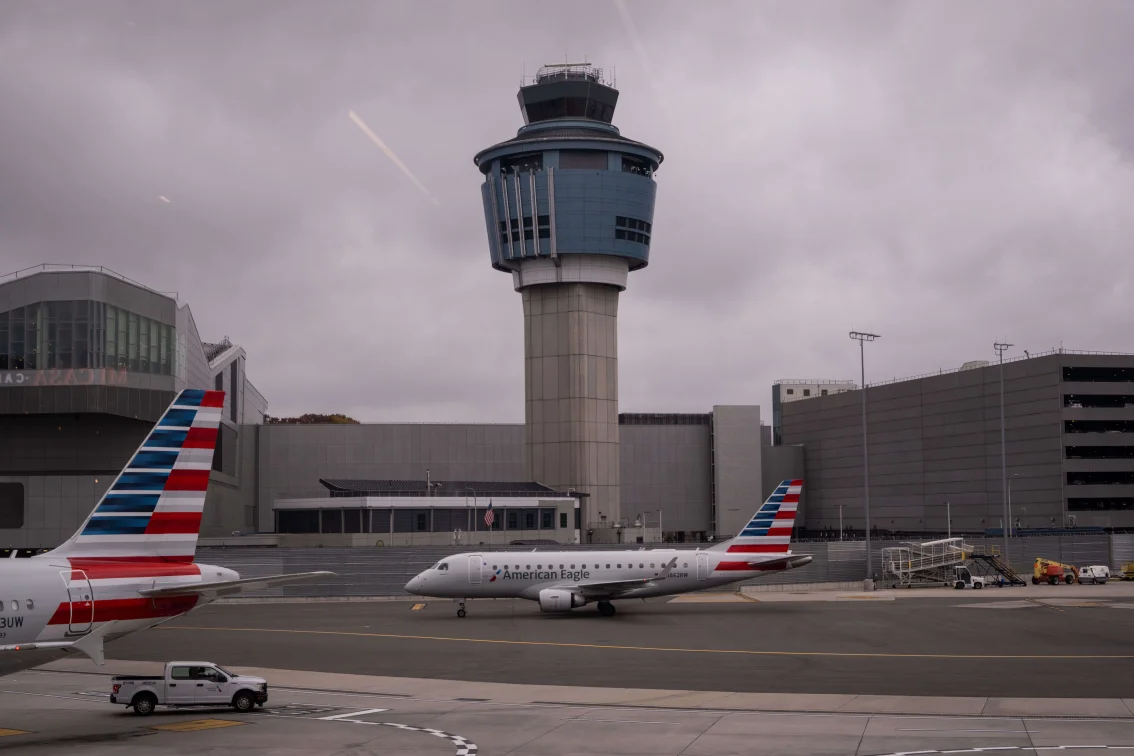
U.S. Airspace Slowly Recovers as Federal Budget Shutdown Ends
Washington, D.C. – After weeks of disruption caused by a federal budget impasse, the U.S. airspace is finally beginning to return to normal. The government shutdown, which lasted several weeks, forced agencies including the Federal Aviation Administration (FAA) to operate under extreme pressure, causing flight cancellations, delays, and a strain on air traffic controllers across the country. With the budget now approved and funding restored, recovery is underway, but experts warn that the aftermath will take time to fully resolve.
The Shutdown’s Impact on Aviation
The partial government shutdown, which began in early October, left many federal employees furloughed or working without pay. Among the most affected were air traffic controllers, who faced long hours and increased stress while managing the country’s busiest skies. According to FAA reports, staffing shortages reached critical levels, prompting warnings that safety margins were being stretched thin.
To manage the situation, the FAA mandated that airlines serving the 40 busiest airports reduce their flights by roughly 6%. This measure was intended to ease the load on air traffic controllers and prevent more severe disruptions. Despite these efforts, the industry experienced thousands of cancellations, with some days seeing more than 3,000 flights canceled nationwide.
Recovery Begins
With the federal budget now signed into law, the FAA and Department of Transportation (DOT) have immediately begun scaling back flight reductions. Airlines at major airports are now required to cut only 3% of flights, down from the 6% limit imposed during the shutdown. On Friday, cancellations dropped to just 273 flights, marking a significant improvement from previous weeks.
Transportation Secretary Sean Duffy commented on the recovery, saying, “The U.S. airspace is slowly returning to normal operations. Our focus now is on stabilizing staffing levels and ensuring the safety and reliability of travel for all passengers.” Airlines are also working to reposition crews and aircraft to address the backlog of delayed flights.
Challenges Ahead
Despite the improvements, experts caution that full recovery will not happen overnight. The shutdown accelerated retirements among experienced air traffic controllers, creating long-term staffing gaps. Training new controllers takes months, meaning the system’s baseline capacity remains below pre-shutdown levels.
Additionally, the holiday travel season adds pressure to the recovering system. Airlines must balance rising passenger demand with operational limitations, including crew scheduling and airport slot availability.
What Passengers Should Know
For travelers, the situation is improving but some ripple effects remain. Passengers are advised to monitor their flight status closely and be prepared for minor delays. Airlines are gradually returning to full schedules, but some flights may still be affected by earlier disruptions or staffing adjustments.
Lessons Learned
The U.S. aviation system’s experience during the shutdown highlights the vulnerability of air travel to government funding interruptions. Even with advanced technology and infrastructure, human resources remain critical to maintaining smooth operations. For international observers, the situation serves as a reminder of the importance of staffing, contingency planning, and coordination between government agencies and airlines.
Looking Forward
While the U.S. airspace is now recovering, the industry will continue to deal with the aftereffects of the shutdown for weeks to come. Passengers, airlines, and regulators alike are focused on restoring confidence in the system and ensuring that travel returns to pre-shutdown reliability.
In conclusion, the end of the budget impasse has allowed the U.S. airspace to begin its recovery. Flight cancellations are decreasing, and operations are stabilizing, but the path to full recovery will take careful planning, staffing improvements, and time.