Trump Signs Executive Order Lowering Tariffs on Beef, Coffee, and Over 200 Imported Goods
WASHINGTON— November 15, 2025.
In a major policy shift aimed at easing rising grocery costs for American consumers, U.S. President Donald Trump has signed an executive order eliminating or reducing tariffs on more than 200 imported agricultural goods including beef, coffee, bananas, tomatoes, and other widely consumed items. The move marks one of the administration’s most significant reversals of its earlier tariff-heavy trade strategy.
Why This Decision Was Made
The White House said the tariff cuts are a direct response to mounting concerns over food inflation across the United States. Many everyday commodities have seen substantial price increases in recent months, leading to public pressure and political criticism.
According to officials, the decision is also linked to the reality that the U.S. does not produce enough of many of the affected products to meet domestic demand.
“Certain qualifying agricultural products will no longer be subject to those tariffs, such as certain food not grown in the United States,” the administration noted. The tariff removal takes effect immediately and is retroactive to midnight Thursday.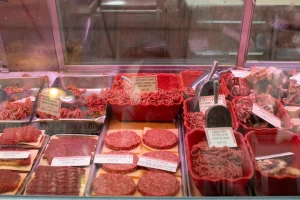
What Goods Are Affected?
The executive order covers a broad list of agricultural products, including:
Beef and other meat imports
Coffee and cocoa products
Bananas, pineapples, coconuts, and other tropical fruits
Tomatoes, avocados, and fresh vegetables
Spices such as vanilla beans and cinnamon
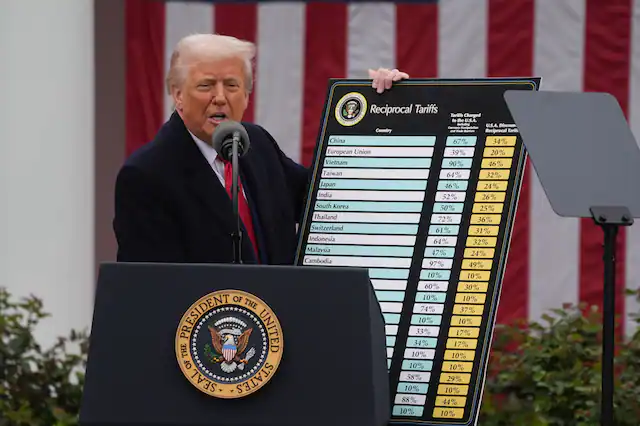
The exemptions are part of an adjustment to the “reciprocal tariff system” Trump reintroduced earlier this year, which had placed broad duties on imports as part of a more aggressive trade-negotiation stance.
Political Pressure and Timing
The decision comes at a politically sensitive moment. Recent local and state elections in Virginia, New Jersey, and New York City showed voter frustration over rising living costs and food prices. Inflation consistently ranks among Americans’ top concerns.
The Trump administration previously denied that tariffs were driving up grocery prices. However, critics say the reversal proves otherwise.
Rep. Don Beyer (D-Va.) stated: “President Trump is finally admitting what we always knew: his tariffs are raising prices for the American people.”
Still, the administration insists the change is strategic part of improved trade agreements with countries like Argentina, Guatemala, and Ecuador. The White House described the move as stemming from “significant progress” in securing fairer trade terms.
Reactions from the Industry and Abroad
Food-industry groups welcomed the action, calling it a necessary relief for supply chains strained by global inflation.
The Food Industry Association said the move would “ensure continued adequate supply at prices consumers can afford.”
International reactions were mixed:
Australia praised the decision, calling tariffs “economic self-harm” that ultimately hurt consumers.
Brazil, however, revealed that U.S. tariffs on Brazilian beef, coffee, and tropical fruits remain unchanged at 40%, indicating that not all countries benefit from the exemptions.
Impact on Consumers
American shoppers may see some relief in the coming weeks, especially on products that experienced sharp increases:
Beef prices rose about 12–17% year-on-year, Coffee prices increased nearly 20%. Retailers expect lower import duties to gradually reduce prices as existing inventories clear and new shipments arrive under the tariff-reduced system.
What Happens Next?
While the new order lowers tariffs on selected agricultural products, it does not dismantle the broader tariff framework:
The baseline 10% universal tariff remains in place, Several country-specific reciprocal tariffs stay active
Analysts say the policy shift shows the administration is adjusting under political pressure but not abandoning its “America First” approach.
Conclusion
President Trump’s decision to lower tariffs on beef, coffee, and hundreds of other goods is a major development in U.S. trade policy. It reflects both economic realities and political pressures as Americans demand relief from rising grocery prices.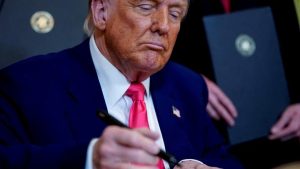
Whether this move will significantly reduce inflation or simply serve as a temporary adjustment remains to be seen. But for now, consumers, retailers, and international exporters alike are watching closely as the new rules take effect.